
| PARTNER CONTENT |
YouTube is celebrating its 20th anniversary this year and nowhere is its stratospheric impact on culture and commerce better showcased than among the finalists of the YouTube Works Awards Southeast Asia 2025, which were unveiled on 7 October 2025.
The winning campaigns, which finished on top from a field of more than 800 entrants, represent a new gold standard for marketing practice in the region. Their creativity and, crucially, their effectiveness were scrutinised by judges, who were drawn from some of the biggest brands and agencies.
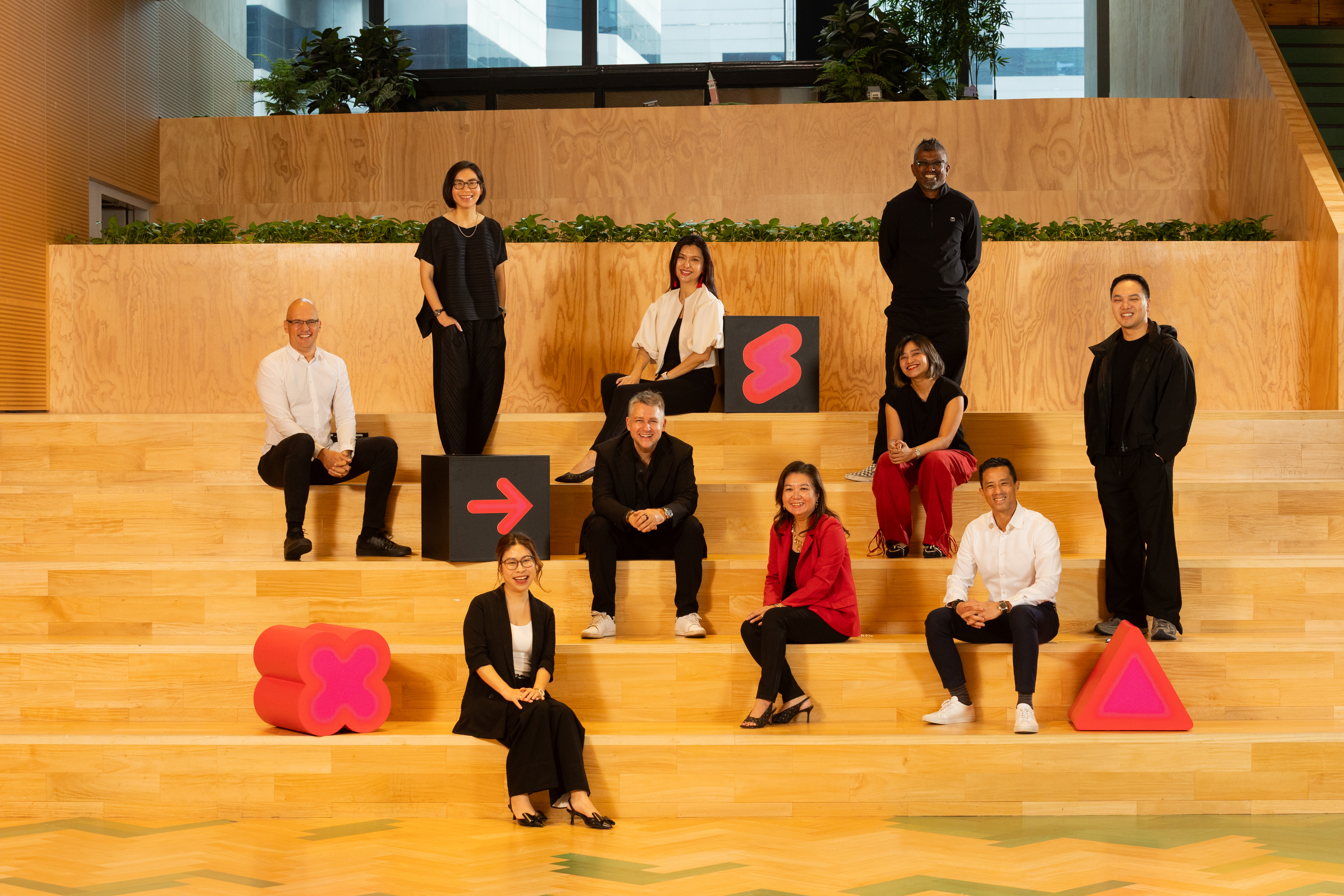
Campaign Asia was invited to sit in on the discussions as the grand jury convened to choose winners in five categories, and crown the prestigious Grand Prix champion, as the work put forward by local juries in six countries came under their expert scrutiny.
Judges noted the finalists provided a telling snapshot of what matters to consumers and brands in 2025. Among these qualities is trust: judges said consumers were now more comfortable than ever making purchasing decisions on YouTube. In turn, brands are leveraging the platform to build lasting relationships, cementing its reputation as a reliable pillar for sustained engagement.
The use of multiple formats was a frequent discussion point, and judges recognised the strategic deployment of long-form storytelling at the heart of winners’ work while they also utilised different formats to activate or emphasise aspects of their campaigns. This showed the creative maturity that characterised many winning entries – as, unsurprisingly, did the use of AI to push creative boundaries and improve targeting of campaigns. Judges said it was notable how naturally AI was being integrated, and expressed optimism about what it might lead to next for marketers.
An emotional connection across multiple formats
Embodying the power of Multiformat Storytelling, Dutchie’s ‘Fight for Thais’ Gut’ campaign earned both its category win and the prestigious Grand Prix. The yoghurt brand used a long-form campaign which adopted the style of a soap opera to create a cohesive, emotional story that also played out across multiple formats.
Deceptively simple but accomplished in its execution, the campaign achieved a 95% average view-through rate across all videos and was the brand’s most watched video output ever. It led to annual sales growth of 11.4%, three times faster than the previous year, but most of all it used the power of storytelling to create memorable, actionable content, said lead judge Lex Bradshaw-Zanger, chief marketing and digital officer, SAPMENA region at L'Oréal: “Whether you watch just three seconds or watch the long form, you’re entertained by it. There’s an emotional connection, and that has a logical connection to the product itself.”
Lead judge Lex Bradshaw-Zanger on the Grand Prix winner and the winning entry for Multi-format Storytelling
The power of creative impact
The Big Bang award, which rewards a successful brand launch or relaunch, went to Lifebuoy, which was looking to drive awareness of its bodywash range among a younger Indonesian audience. Its #KetempelanDingin campaign was bold and unexpected, a long-form video which drew on horror movie tropes to achieve exceptional creative cut-through. Judges, led by transformational growth leader and best-selling author Siew Ting Foo, praised the way it ‘stood out for its creativity and craft’ and the way it ‘broke category norms’, defying conventional expectation by using long-form storytelling techniques to target a Gen Z audience.
Lifebuoy executed a comprehensive multi-format YouTube strategy which included Shorts, bumpers, the use of influencers and TrueView ads to maximize its impact. The strategy proved effective: a 66% view-through rate was 16% higher than other Unilever campaigns and led to a 40 basis points increase in market share nationwide.
Lead judge Siew Ting Foo on the winning entry for The Big Bang
Making a connection on the big screen
While many finalists were challenger brands or local businesses working to establish a regional footprint, the winner of the coveted Best of Festive category was one of the biggest players in digital marketing. Netflix’s campaign used a humorous take on the Thai New Year festival, Songkran, to showcase the huge range of Thai-specific content on the platform.
The water-themed campaign was particularly notable for its 82% reach across its target audience. Viewership of Thai content on Netflix went up 15% during Songkran as a result. Lead judge Georgina Koh, director of marketing activation at Singapore Tourism Board, said: “I think what stood out was how it used the Connected TV functionality within YouTube. A lot of people are watching YouTube now on big screens – it’s no longer limited to your mobile phone or desktop browser.”
Lead judge Georgina Koh on the winning entry for Best of Festive
Turning the tables on scammers – with added AI
The inaugural Masters of Media award, designed to reward brands that use AI to go further and faster and push the boundaries of creativity, went to mobile payment system GCash. With more than 600,000 Filipinos having fallen victim to scammers, the brand used a mix of humour and AI-enabled targeting to educate consumers. The result was a 14-point turnaround in NPS, and an 80% reduction in reported phishing scams within the first month alone.
Having ‘phenomenal’ creative was the first part of GCash’s success, said Ali Malik, lead judge and senior director at Procter & Gamble. “The second part is leveraging the right format and using AI-led capabilities to target the right consumers… that is where YouTube really stands out.”
Lead judge Ali Malik on the winning entry for Masters of Media
Influencing goes virtual
When Honda wanted to connect with a Gen Z audience in Indonesia, to raise brand awareness for its BeAT range of scooters, it opted for a deliberately bold strategy. Its innovative partnership with VTuber Kobo Kanaeru was a ‘perfect match between the influencer and the subculture they were trying to reach,’ according to judges led by Samuel Vanel, GOAT VP product and services APAC at WPP Group.
He added that by using a virtual creator with an existing YouTube fanbase, Honda not only tapped into a community of viewers, but created a campaign that ‘could not have been run’ in any other medium. It landed the Brands & Creators award, thanks to a 6.2-point lift in brand awareness among the Gen Z target audience, four points above the industry benchmark. Meanwhile, search volumes for the term ‘BeAT Kobo’ leaped 170%.
Lead judge Samuel Vanel on the winning entry for Brands & Creators
The 2025 awards showcase an industry that continues to push the boundaries of creativity, incorporating ideas and techniques from a huge array of sources into a new generation of campaigns, while also using AI to drive tangible results in front of (and increasingly behind) the camera. Most of all, YouTube’s maturity as a channel is demonstrated not just through the high degree of trust it is afforded by brands and consumers but by the measurable results campaigns on the platform are now enjoying – from massive uplifts in brand awareness to viewing figures that take brands and ideas global at the touch of a button. The task for marketers in the years to come is to continue to push the boundaries of creative and technological excellence while never neglecting all-important measurability – and using AI as a tool to support, and increasingly drive, an essentially human connection with consumers that is the bedrock of a truly memorable campaign.
Ultimately, the 2025 winners prove that excellence on YouTube is no longer about a single viral video, but about building a deeply integrated content ecosystem. The challenge for marketers now is not just to create compelling stories, but to master the art of telling them across multiple formats, intelligently amplified by AI, to connect with consumers on every screen they use.


.jpg)
.jpg)